Paleobotany Basics
From towering Carboniferous forests to Cretaceous flowering explosions, a beginner’s guide to Earth’s prehistoric plant life.

Introduction
Paleobotany is about reconstructing entire ancient worlds - their climate, biodiversity, and evolution - through the plants that once existed. Plants are foundational to ecosystems, and by understanding their fossil record, we can track the changes that occurred in our prehistoric world.
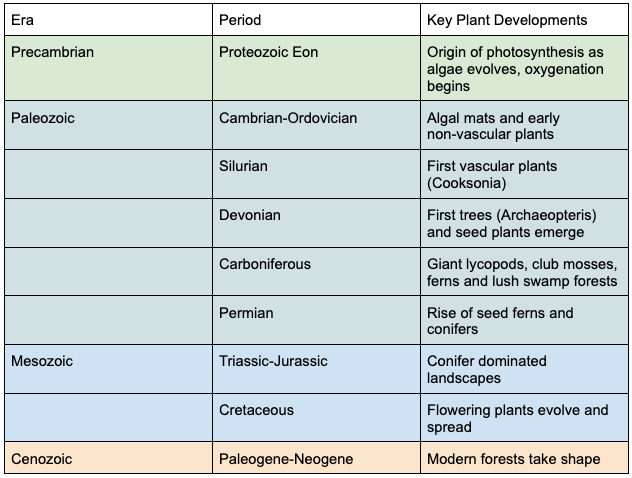
Timeline of Ancient Plants
Ancient Ecosystems
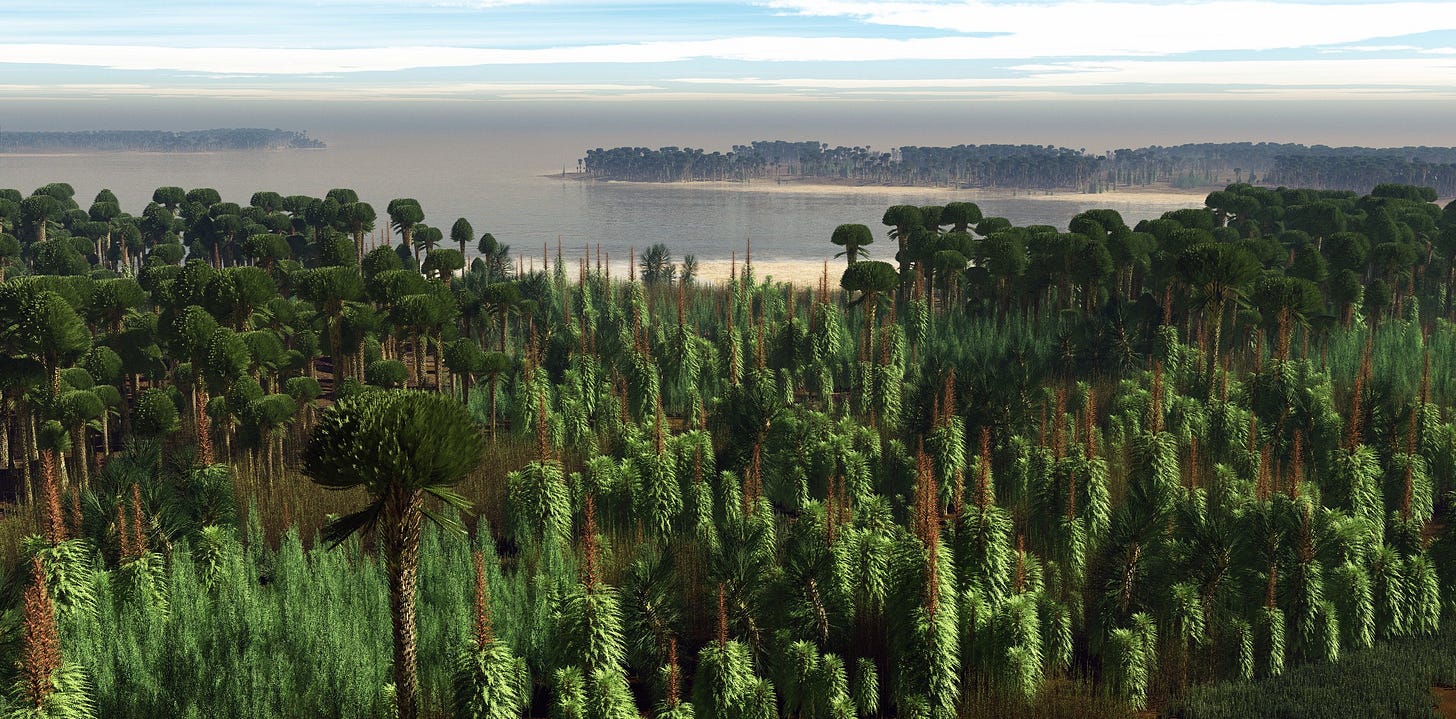
Devonian Forests: The first forests, dominated by fern-like and seedless vascular plants such as Rhynia and Archaeopteris, transformed the planet by drawing down CO2 and contributing to soil development.
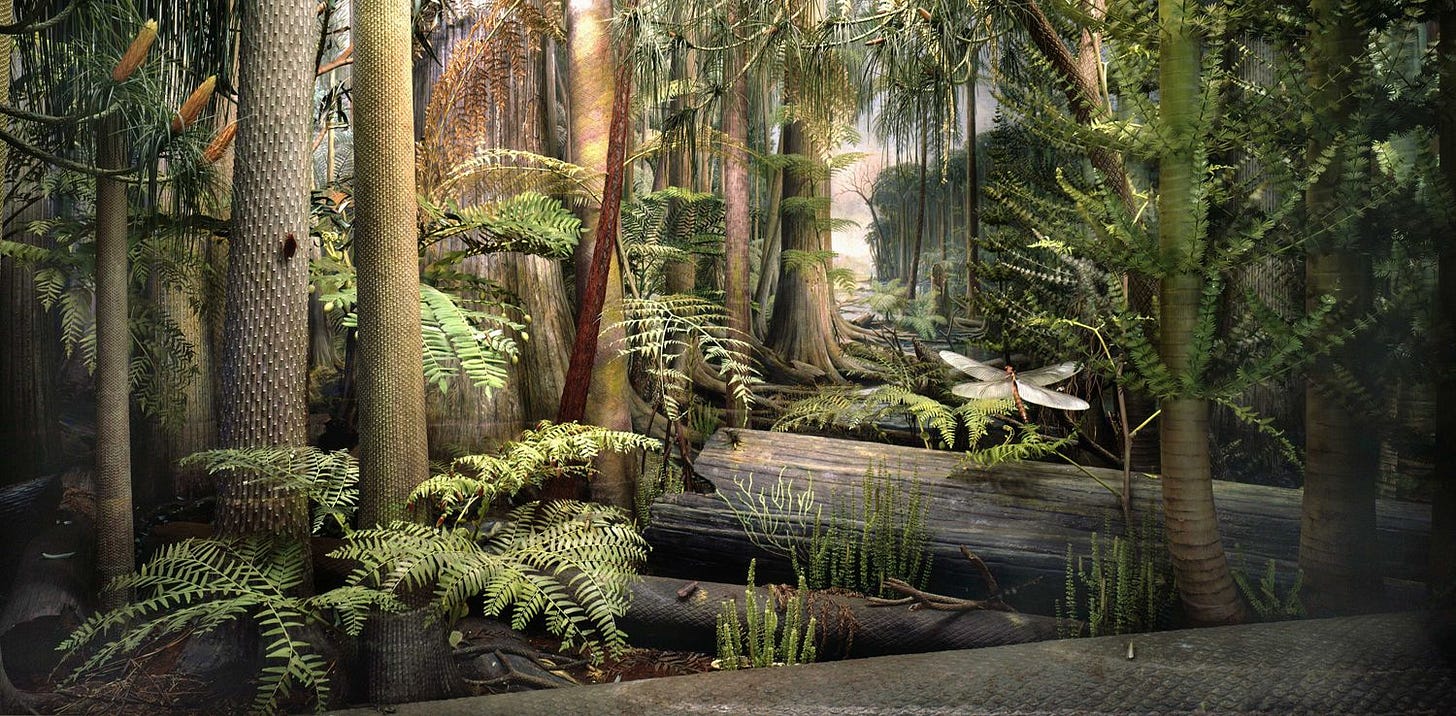
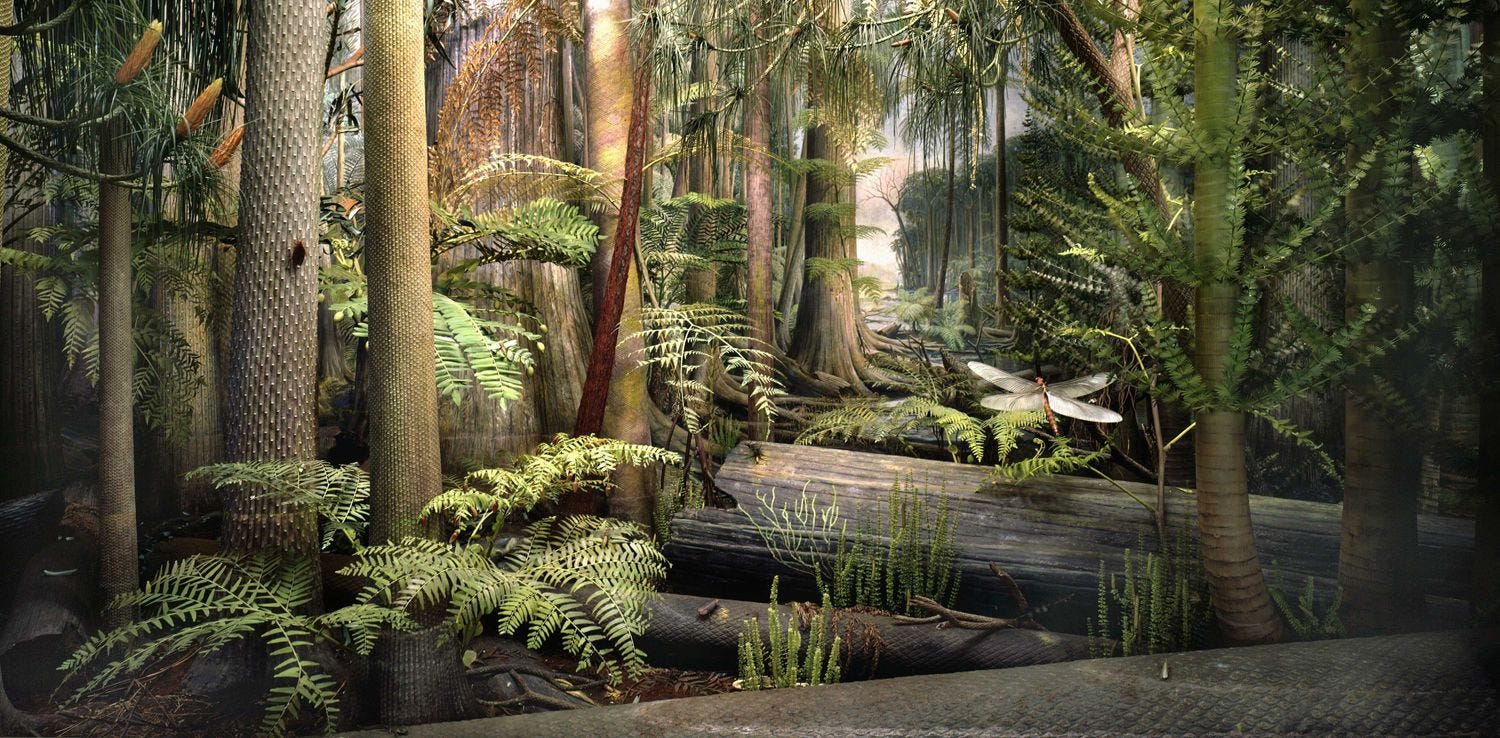
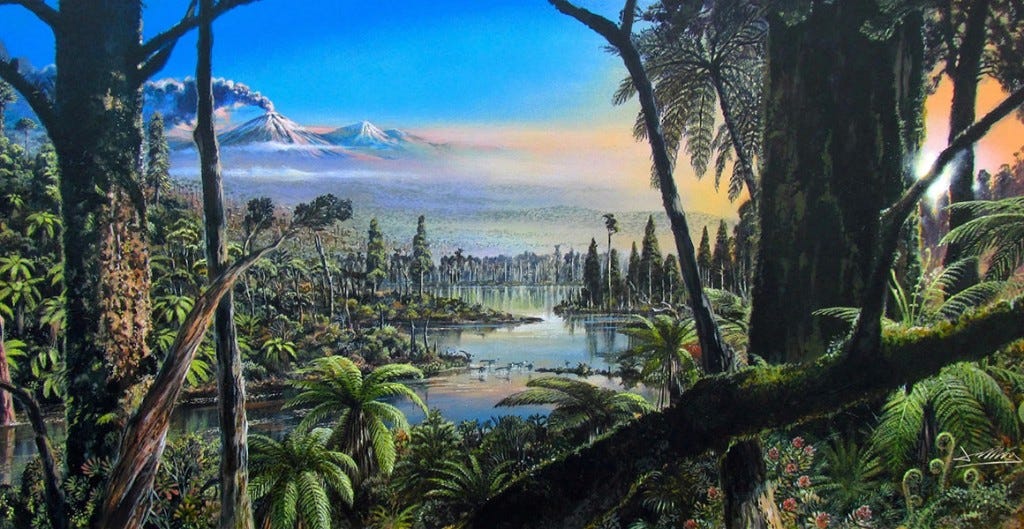
naturedocumentaries.org — naturedocumentaries.org Carboniferous Coal Swamps: Massive tropical wetlands populated by tree-sized lycophytes (Lepidodendron), seed ferns, horsetails (Calamites), and true ferns. These ecosystems laid down the coal beds we mine today.
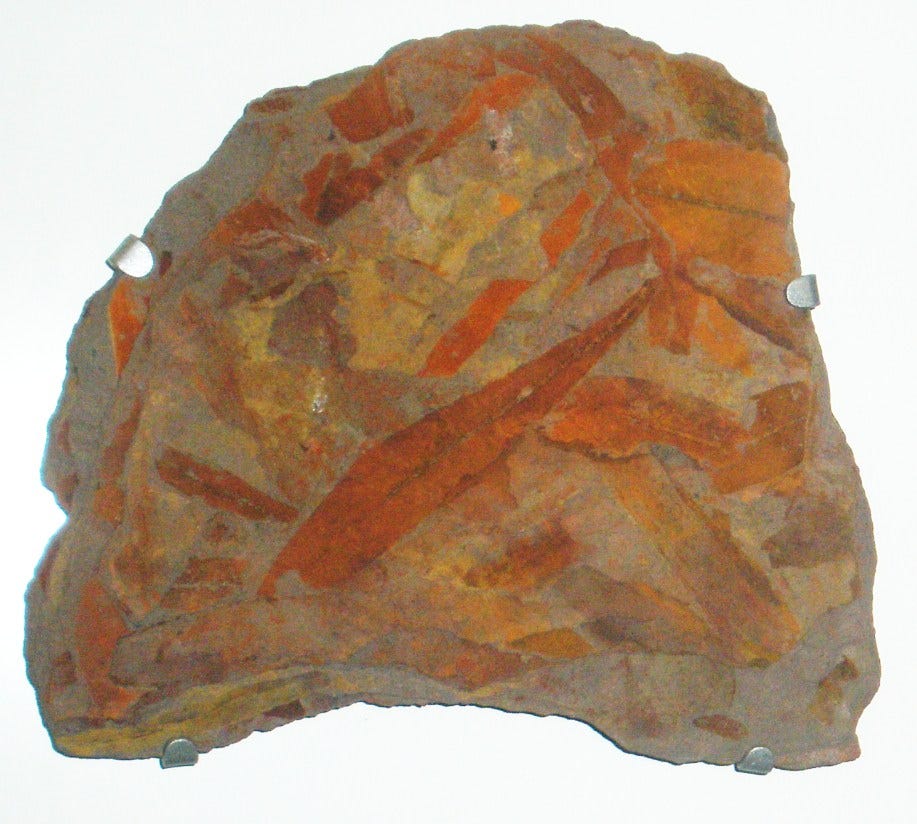
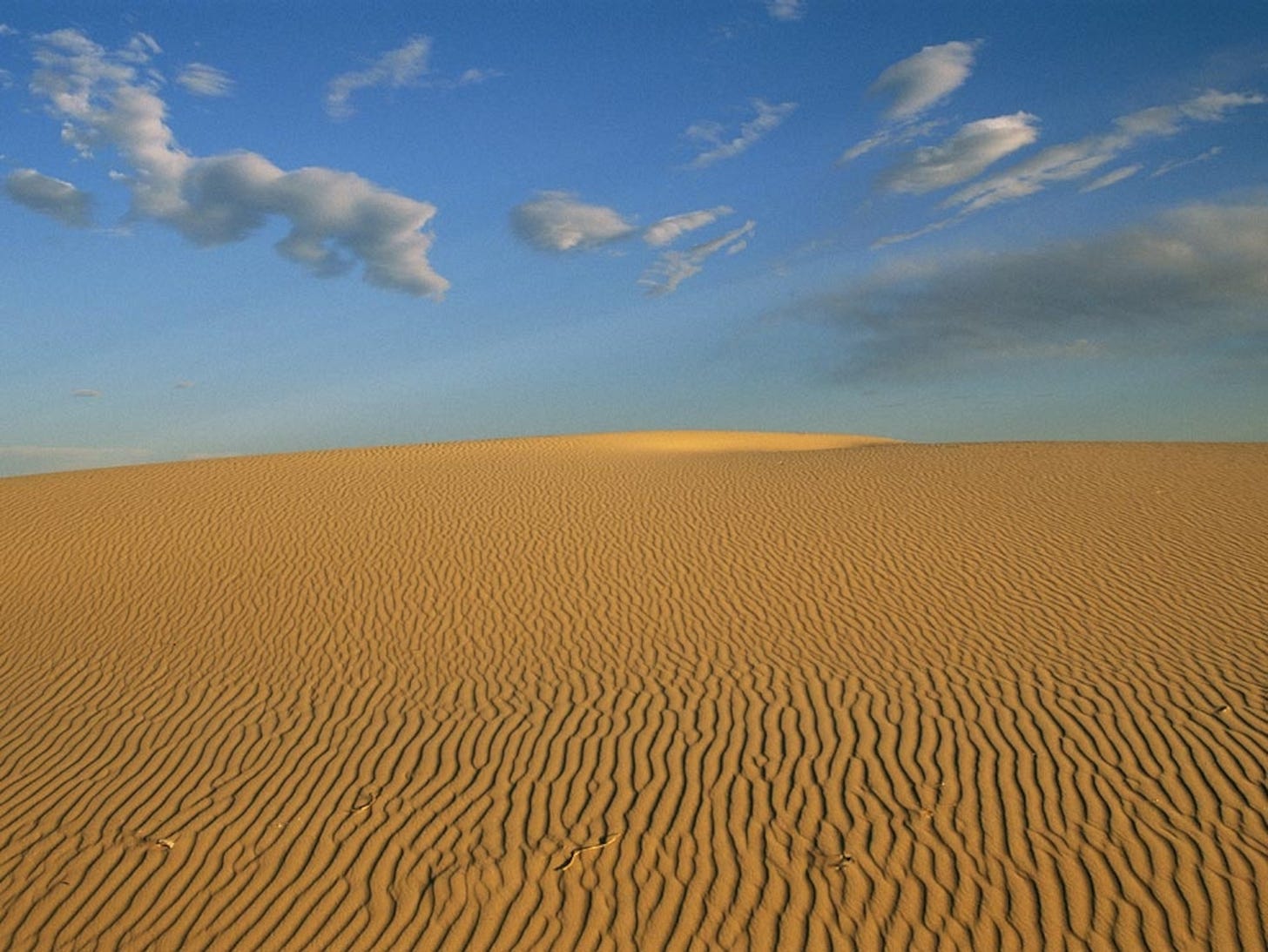
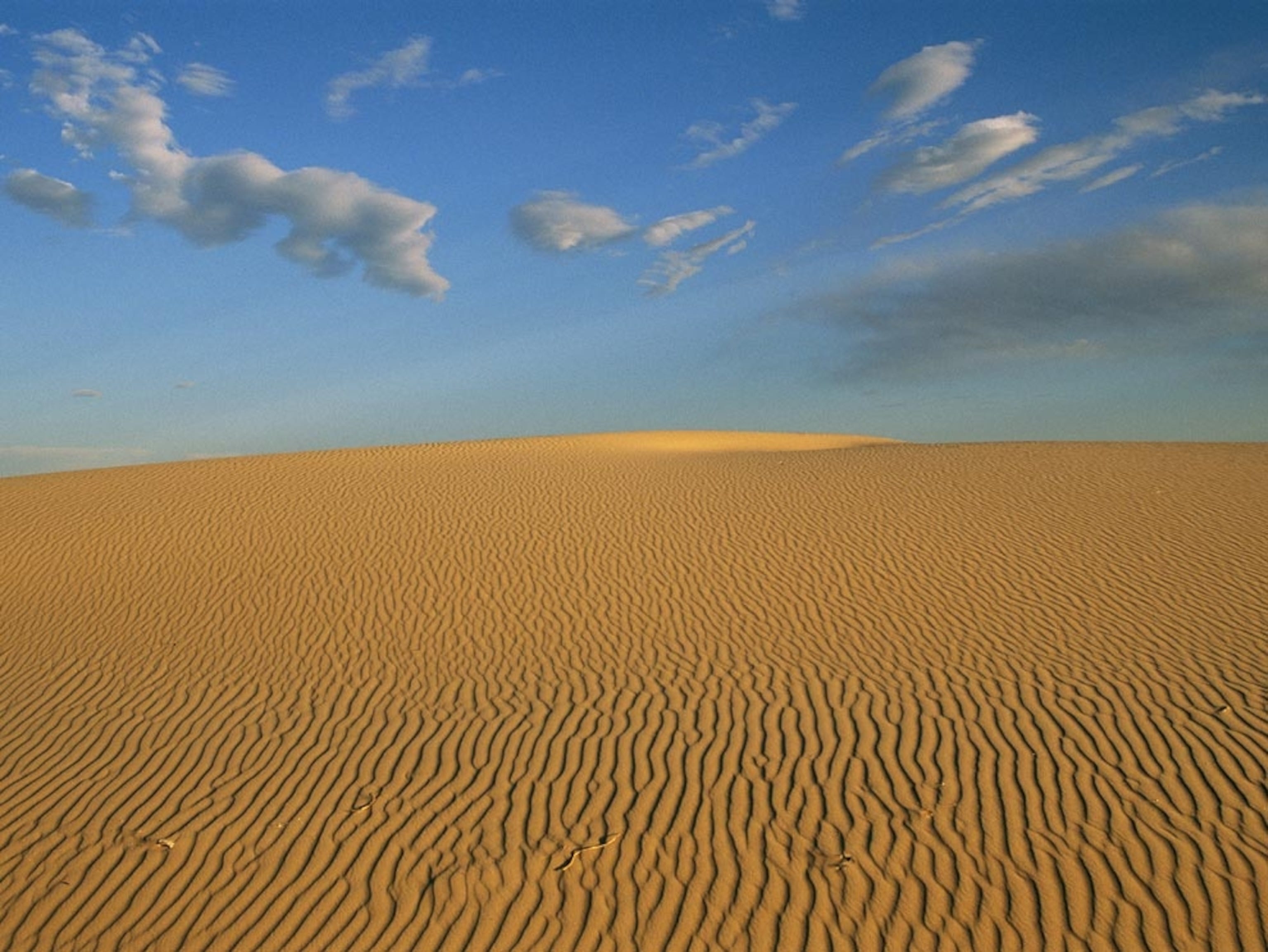
John Weinstein, The Field Museum — via nycplantdoctor.com Permian Deserts: As the climate dried, conifers and seed ferns like Glossopteris spread across the Pangaea supercontinent.
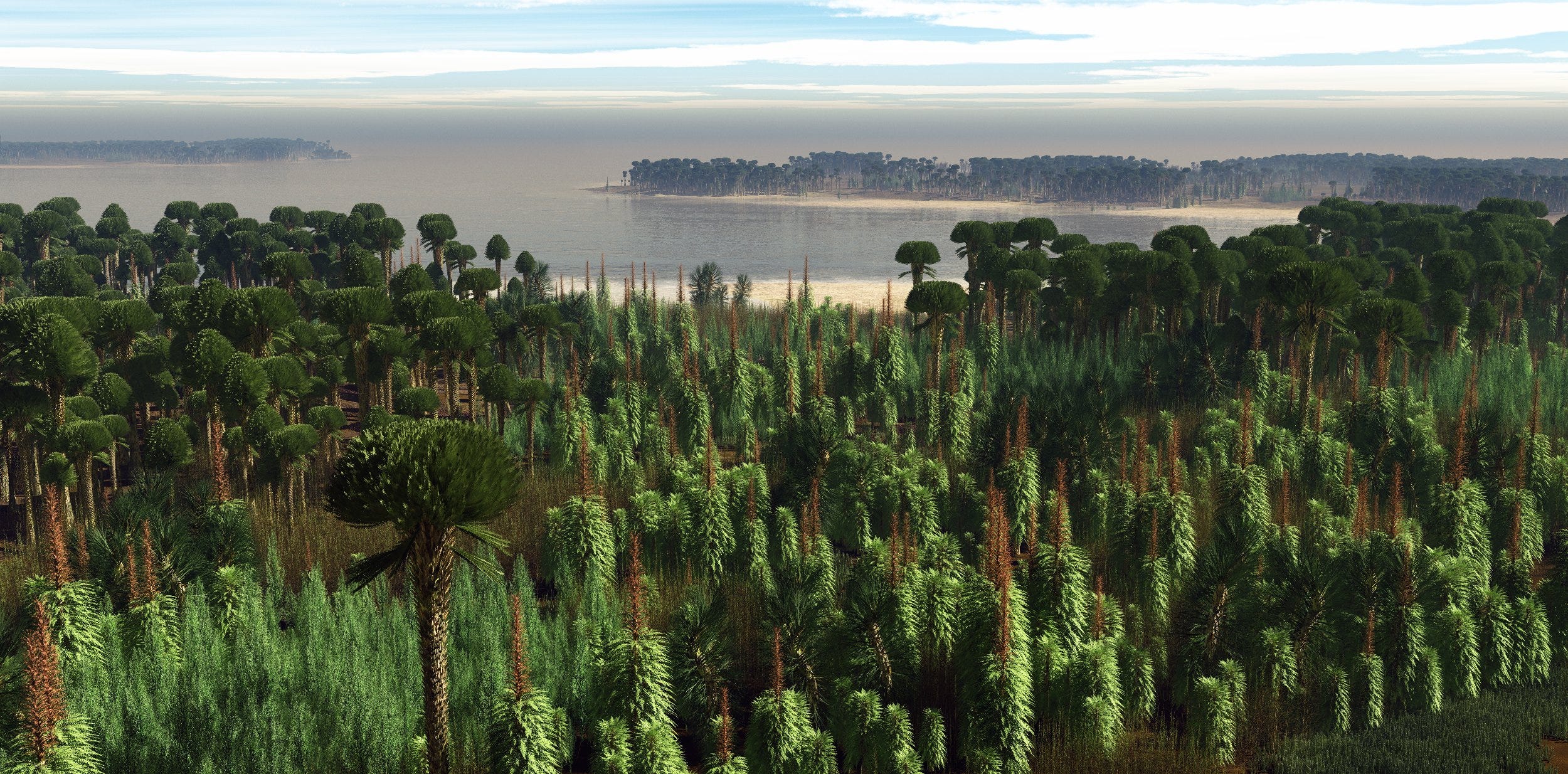
National Geographic — nationalgeographic.com Jurassic-Cretaceous Woodlands: Cycads, ginkgos, and conifers ruled during the Mesozoic, but by the mid-Cretaceous, flowering plants began to rapidly spread in diversity, changing terrestrial life.
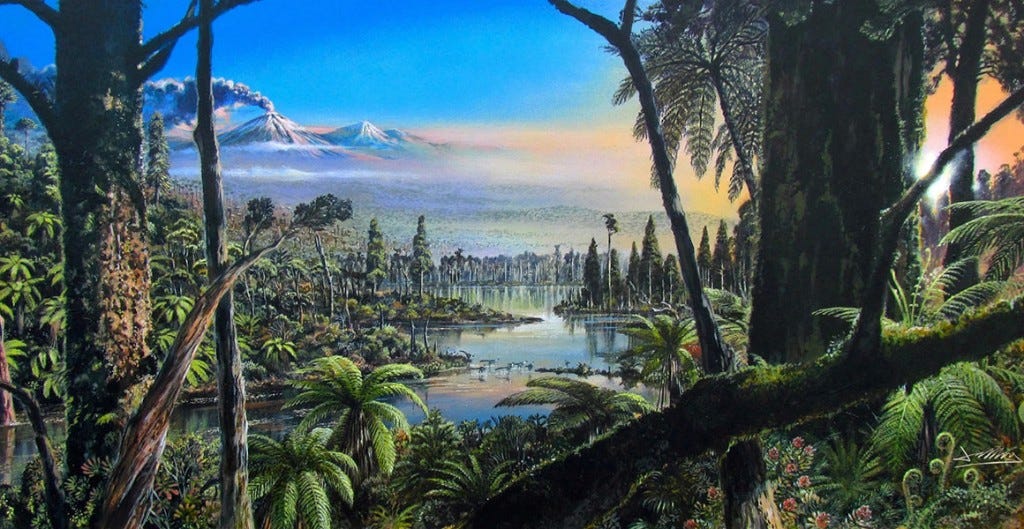
Image: Natural History Museum, London — nhm.ac.uk
The Evolution of Plant Groups
Byrophytes: Mosses and liverworts were the earliest land colonizers; non-vascular.
Lycophytes & Ferns: Seedless vascular plants that formed major parts of Paleozoic forests.
Gymnosperms: Seed plants without flowers, includes conifers, cycads and ginkgos.
Angiosperms: Flowering plants that first appeared around 125 million years ago.
Ancient Geography
Major areas where fossil plants once grew.
Laurussia & Gondwana: Two major Paleozoic contients; Glossopteris fossils across Gondwana helped support the theory of plate tectonics.
Tethys Seaway: A marine corridor during the Mesozoic that bordered tropical plant-rich coastlines.
Green River Formation: Eocene-aged fossil lakebeds known for its preserved leaves.
Florissant Fossil Beds: Late Eocene fossil plants including sycamores, redwoods, and flowering shrubs.
How Do We Study Ancient Plants?
Paleobotanists rely on:
Compression fossils (leaves pressed into sediment)
Permineralizations (minerals like silica or calcite fill cell spaces)
Pollen & spores (microscopic but durable)
Cuticle analysis (studying epidermal features under a microscope)
Comparative morphology (comparing to living plant relatives)
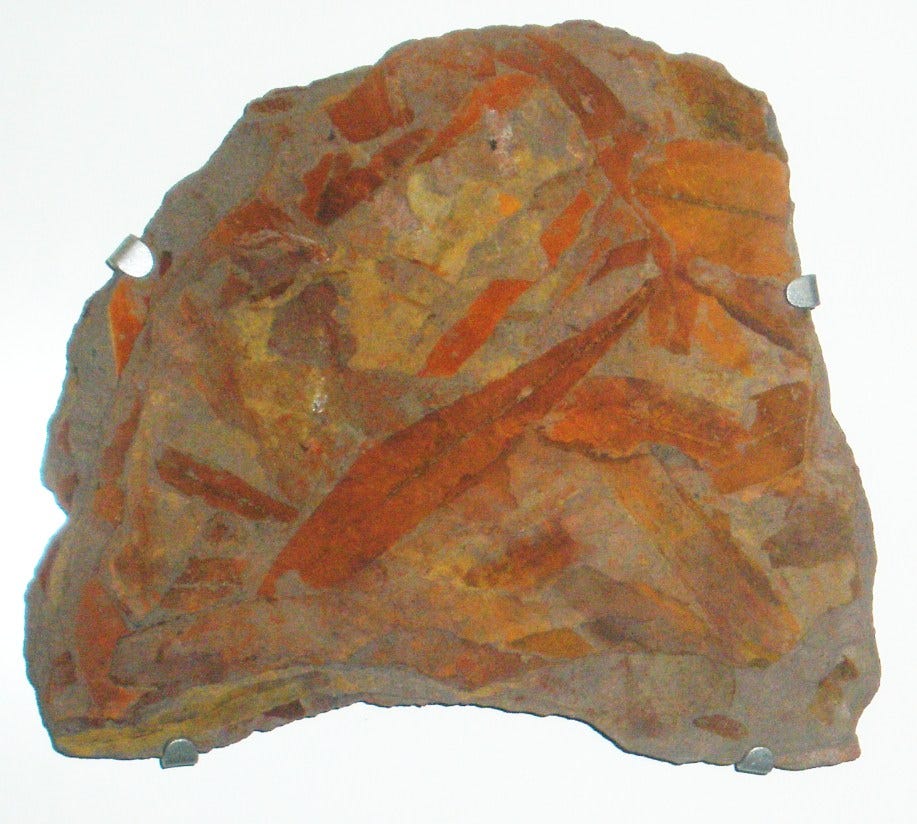
Fossilized leaf of Glossopteris, a seed fern from the Permian period Wikimedia Commons, Glossopteris fossil